The Recovery Department’s goal is to design and verify advanced systems capable of ensuring a safe and controlled return of the sounding rocket. To this end, two subsystems are studied within the department: Recovery and Ejection.
The Recovery system deals with the study and development of a parachute system, typically a Main Chute and a Drogue Chute, capable of guiding the rocket through a controlled-speed and, above all, stable descent. The Ejection system, on the other hand, handles one of the most delicate phases of launch: the correct deployment of the parachute system, through the study and use of bay pressurization mechanisms and parachute release systems.
The Recovery Department is therefore a fundamental department in the construction of the rocket and the success of the launch, and by its very nature lends itself to collaboration with all other departments, particularly Aerodynamics, Avionics, Mission Analysis, and Structures.
Topics
EXPULSION - DESIGN & ANALYSIS
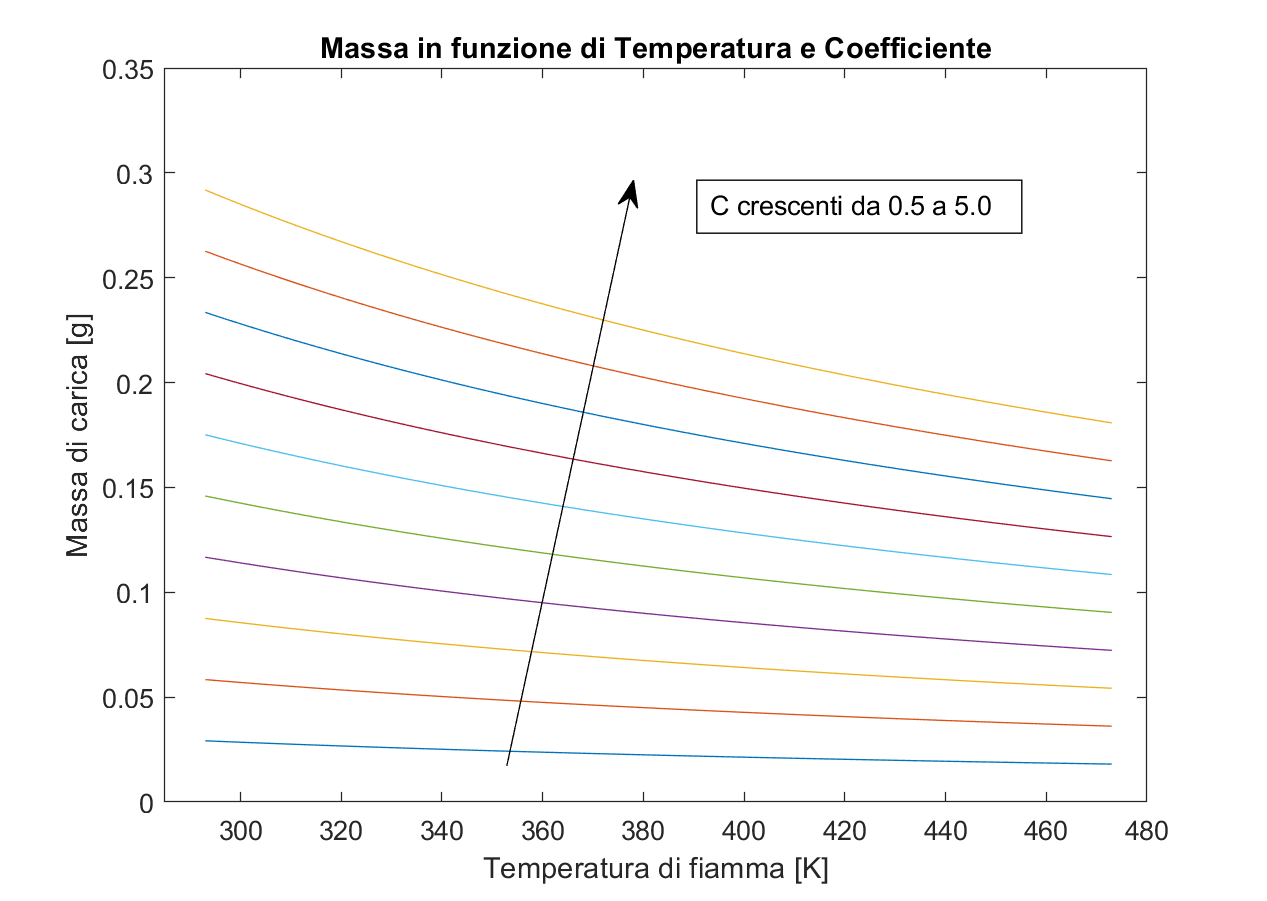
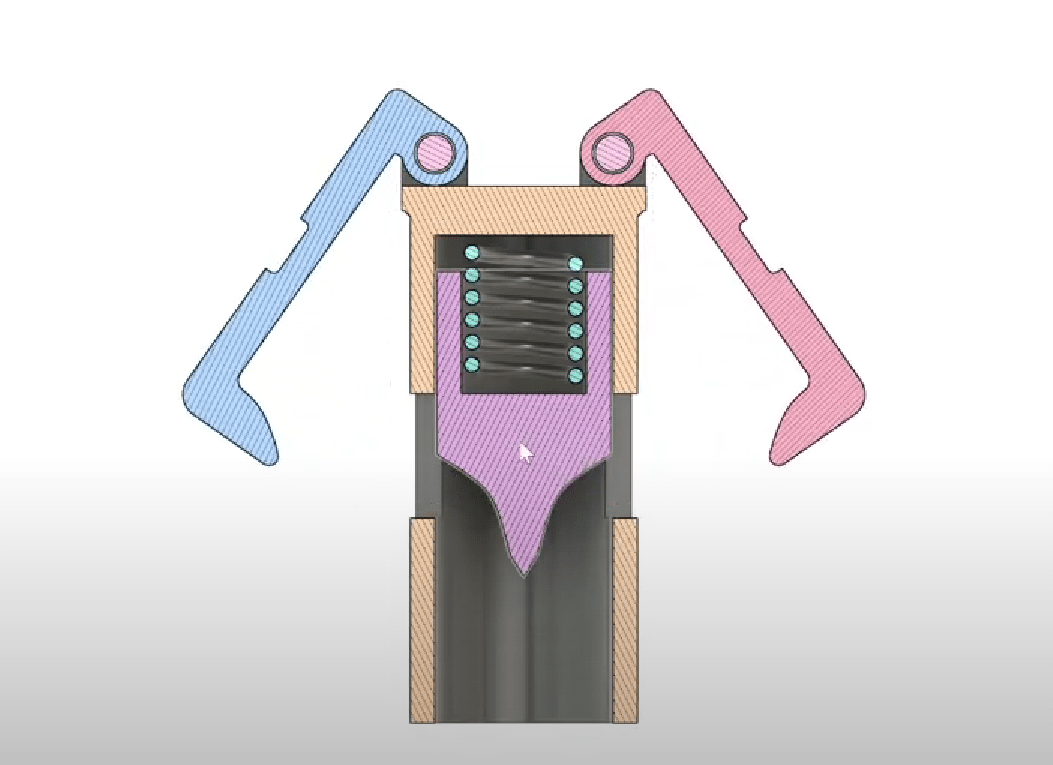
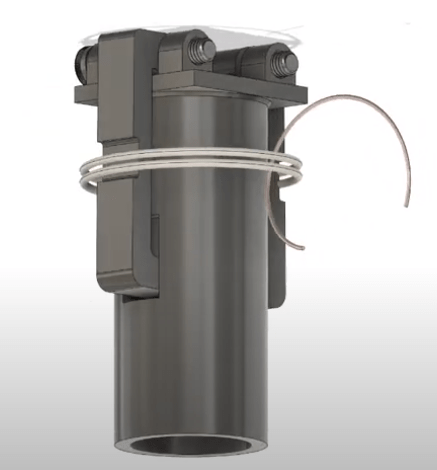
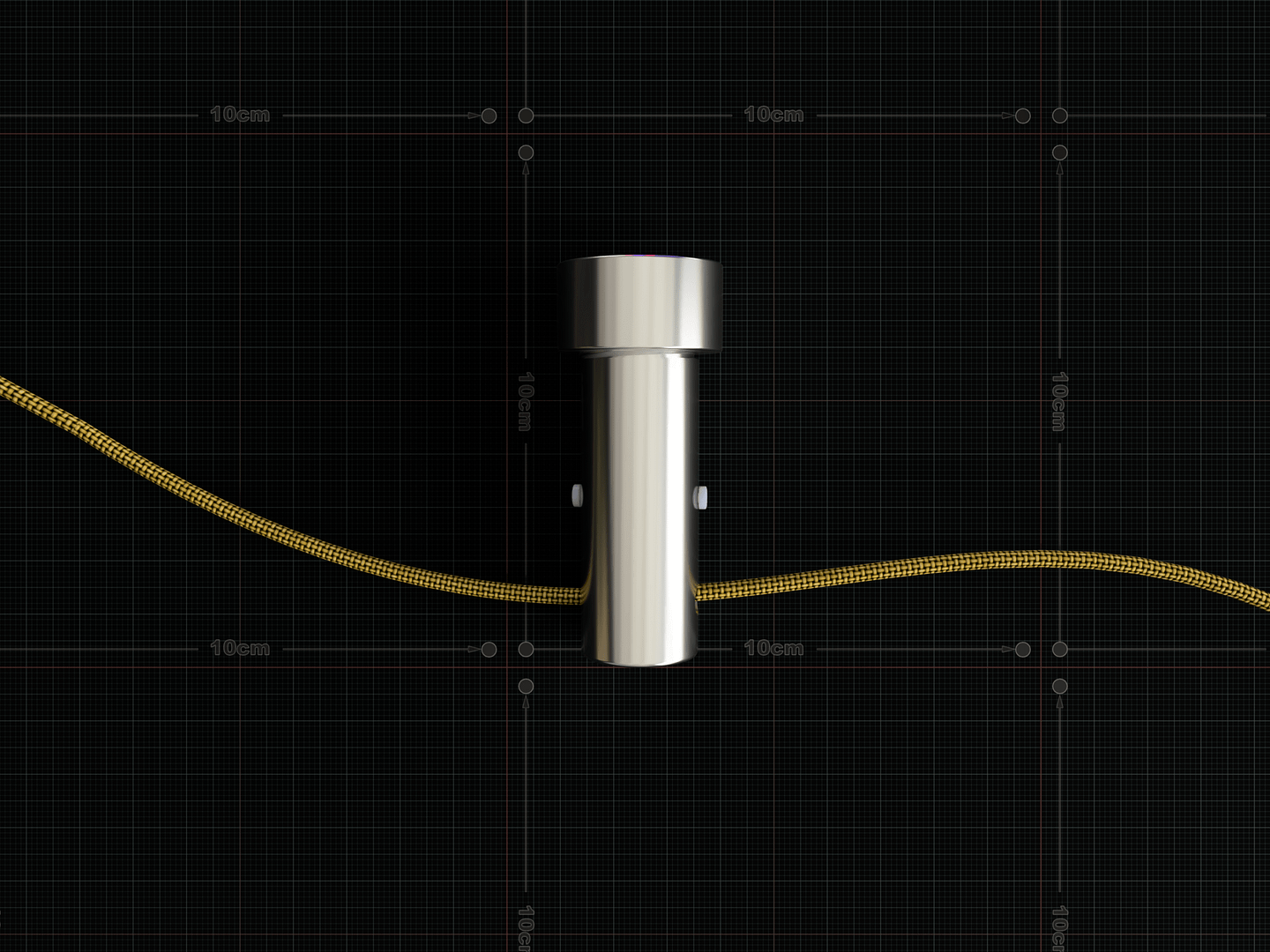
he Design & Analysis phase consists of a preliminary study of the ejection subsystem, in which ejection mechanisms (e.g., CO2 systems, ejection charge…) and release systems (e.g., line cutter…) are designed and developed.
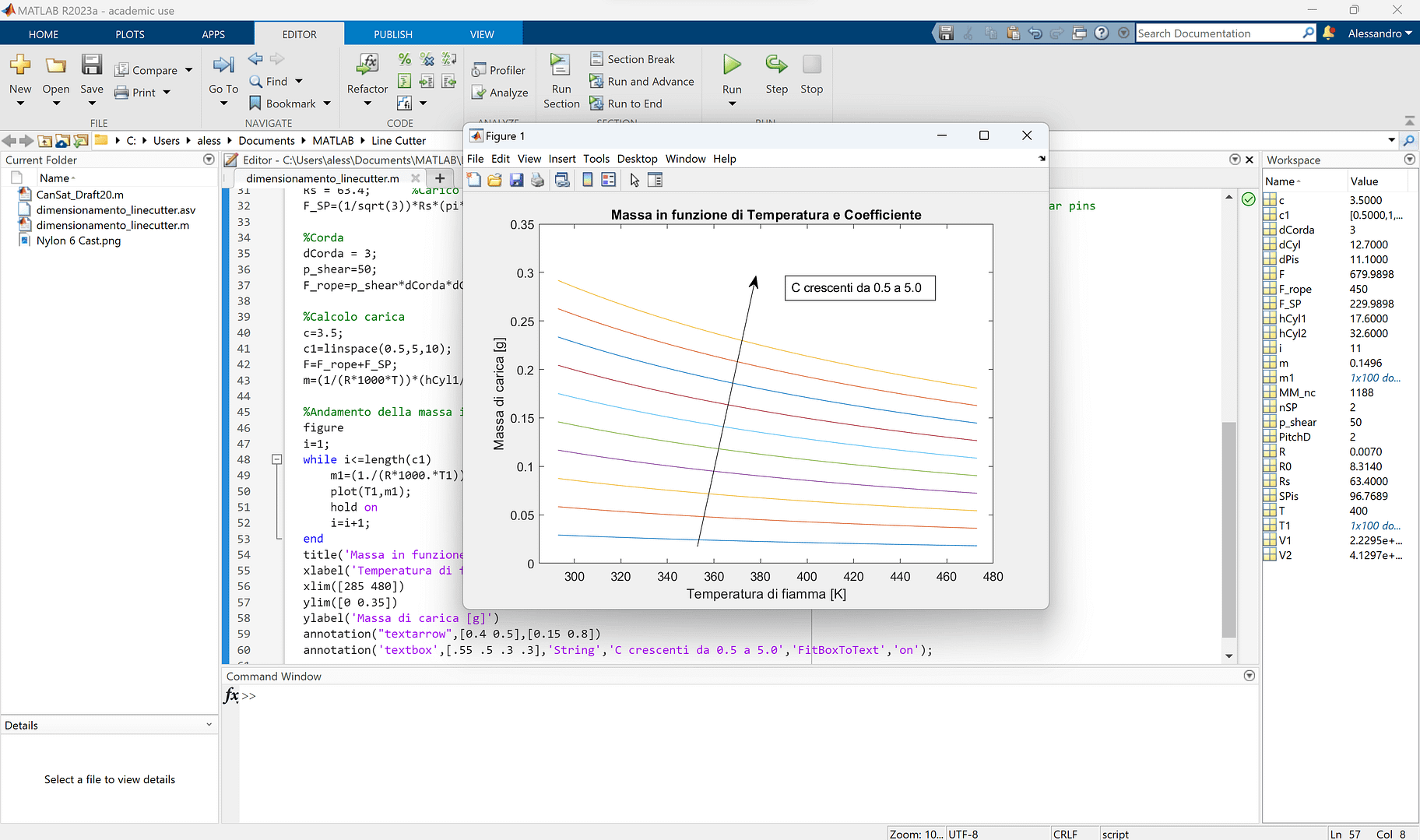
An in-depth stress analysis and progressive modeling is carried out using software such as MATLAB. Using in-house code, this is also used to estimate the pressure required to eject the parachutes from the bay.
EXPULSION - PRODUCTION
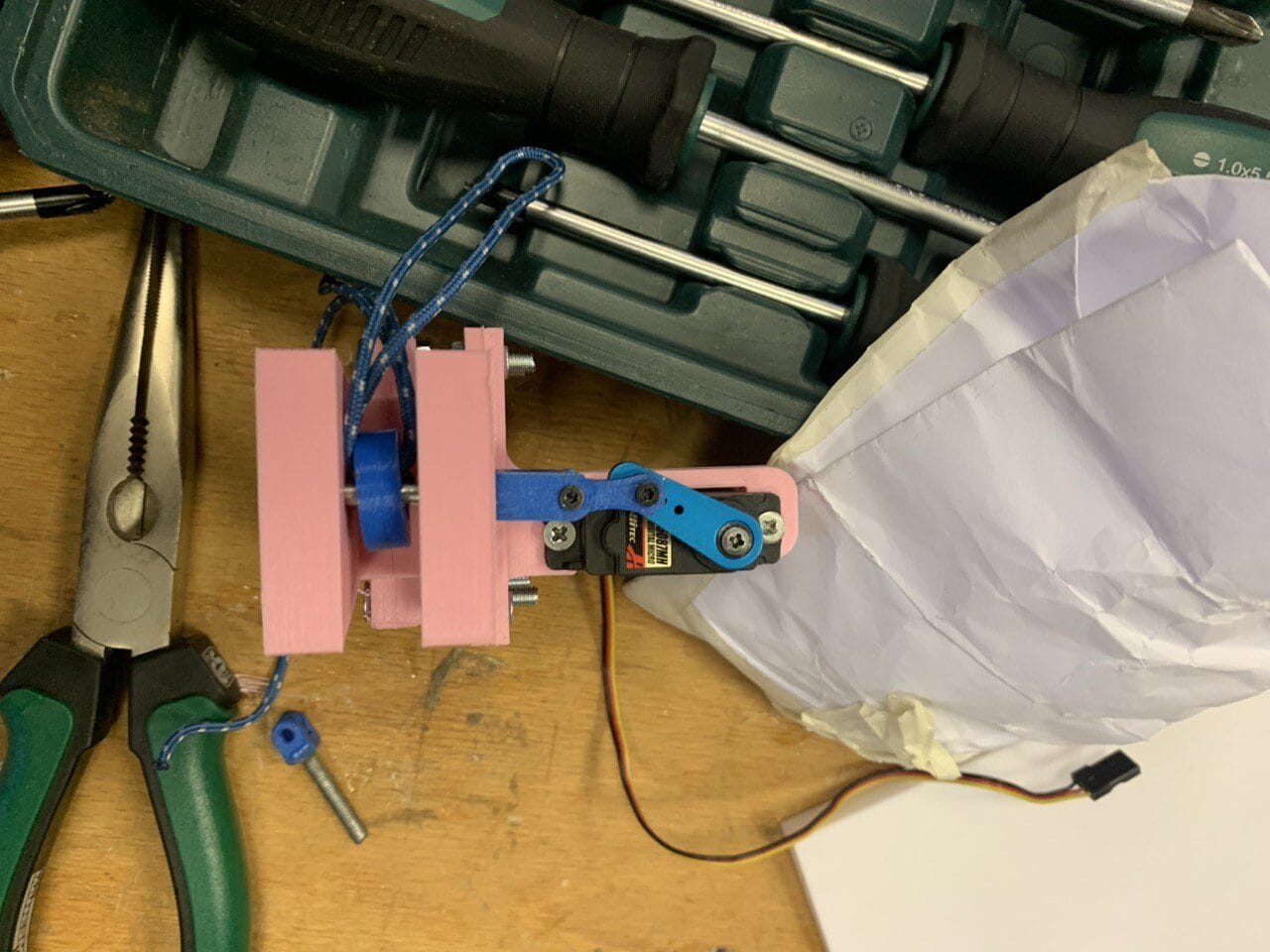
The sizing of the ejection subsystems is carried out by taking into account the stresses to which they are subjected, ensuring the rigidity and reliability of the assembly. Using CAD software such as Autodesk Fusion 360, a 3D model is created, followed by the manufacturing and production of the components.
EXPULSION - TESTING & INTEGRATION
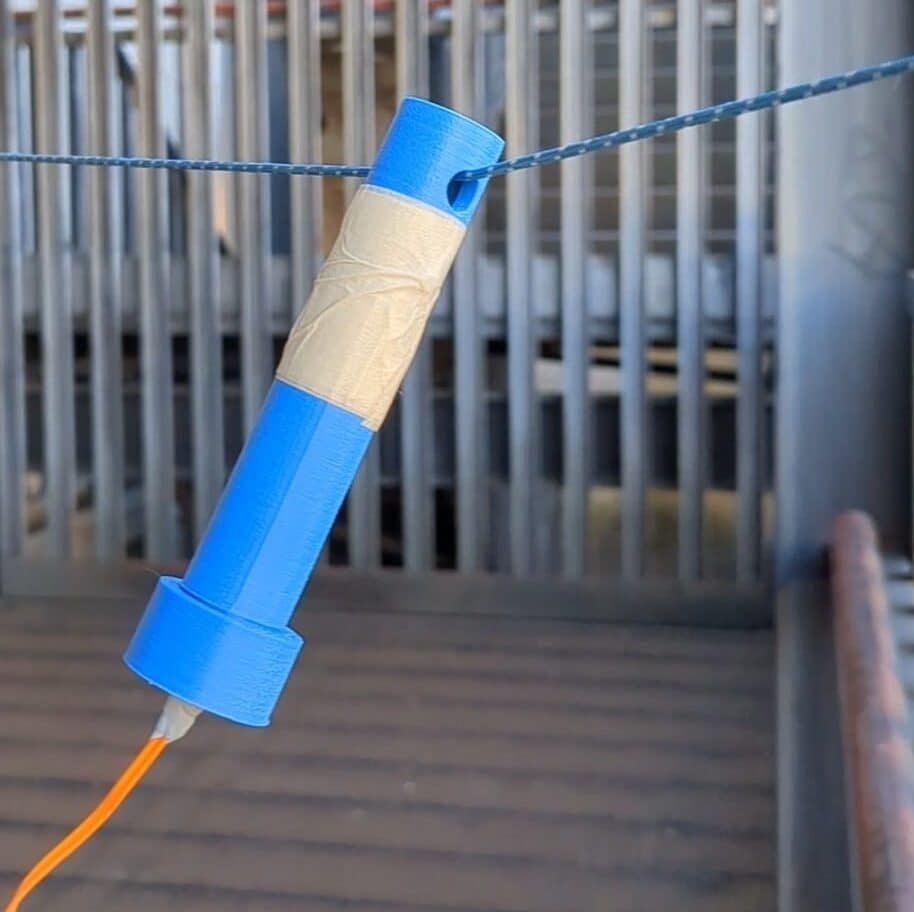
Our Ejection subsystems are first tested individually, through ground tests, to verify correct actuation, and are then tested as prototypes on scaled-down models of the sounding rocket: proper bay pressurization, parachute ejection, and secondary parachute release are all verified.
The integration of the ejection systems within the model rocket’s parachute bay is the final step in the process.
REENTRY - DESIGN & SIMULATION
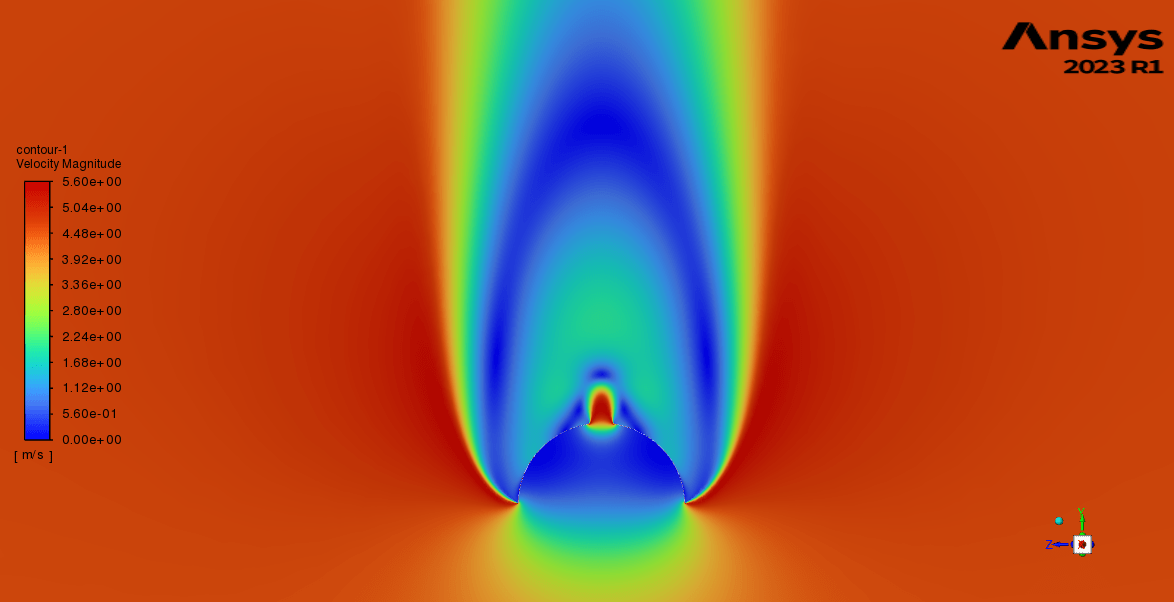
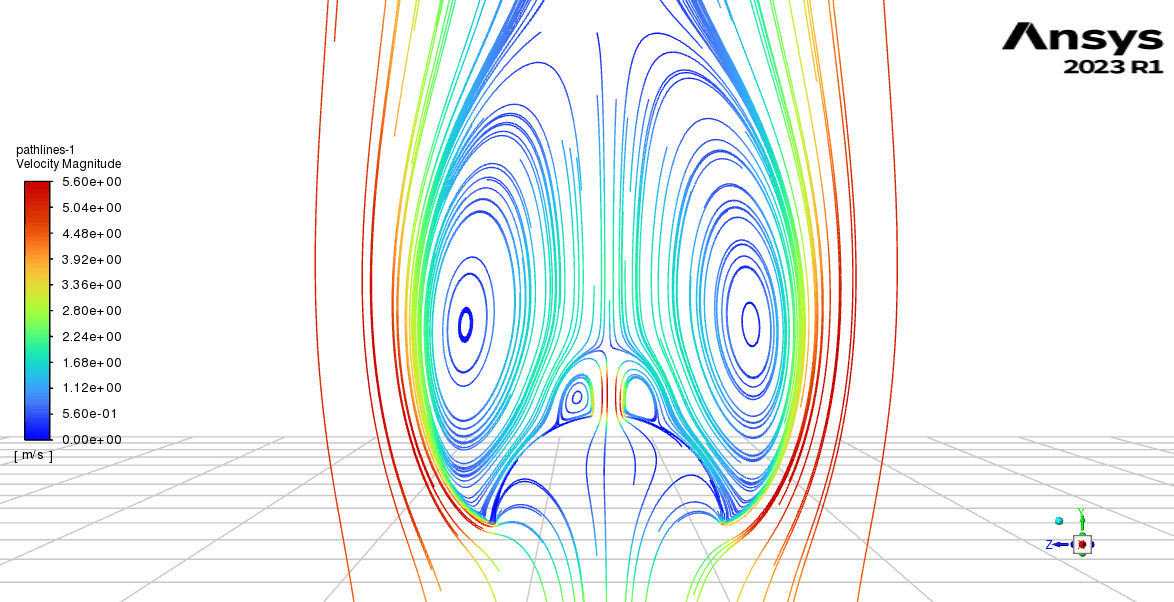
The Design phase mainly consists of choosing the shapes and models to use for the parachute systems, based on the technical characteristics of the sounding rocket (apogee, speed, etc.). Using software such as Ansys Fluent and MATLAB, realistic mathematical models are developed in order to calculate and evaluate aerodynamic performance and stresses (both static and dynamic) during the deployment phase and the descent to the ground.
REENTRY - SIZING & MANUFACTORING
Optimal sizing of the parachute system is essential, on one hand, to prevent excessive stress on the rocket’s structure, and on the other, to avoid excessive forces on the parachute itself. All of this is done while ensuring a stable and controlled descent speed.
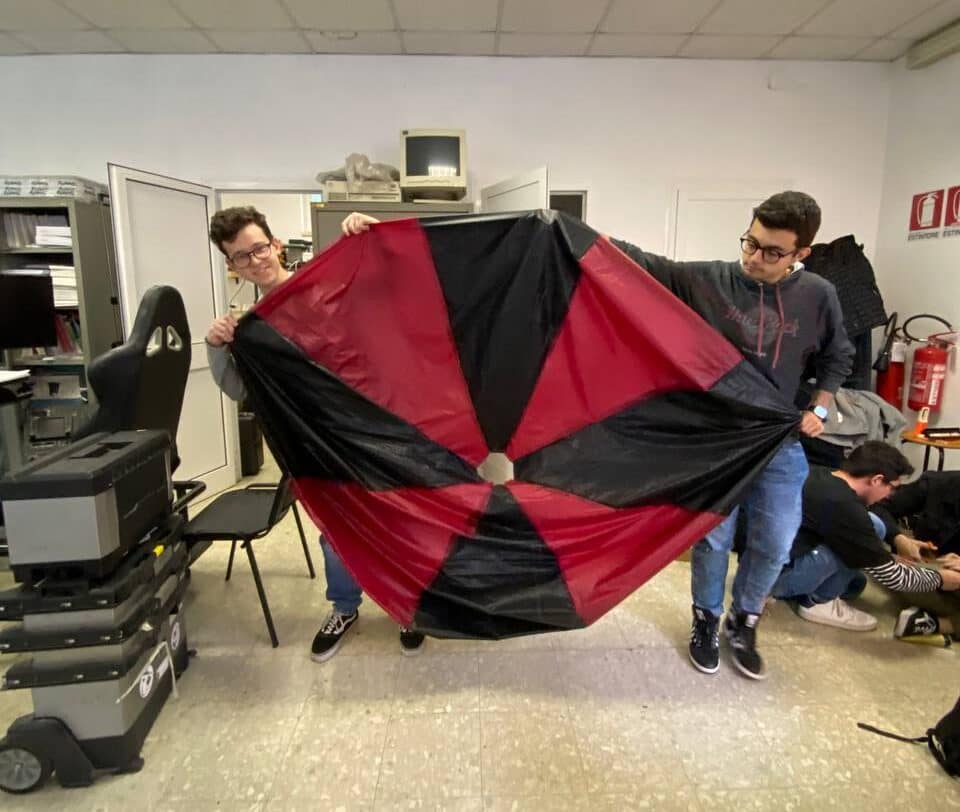
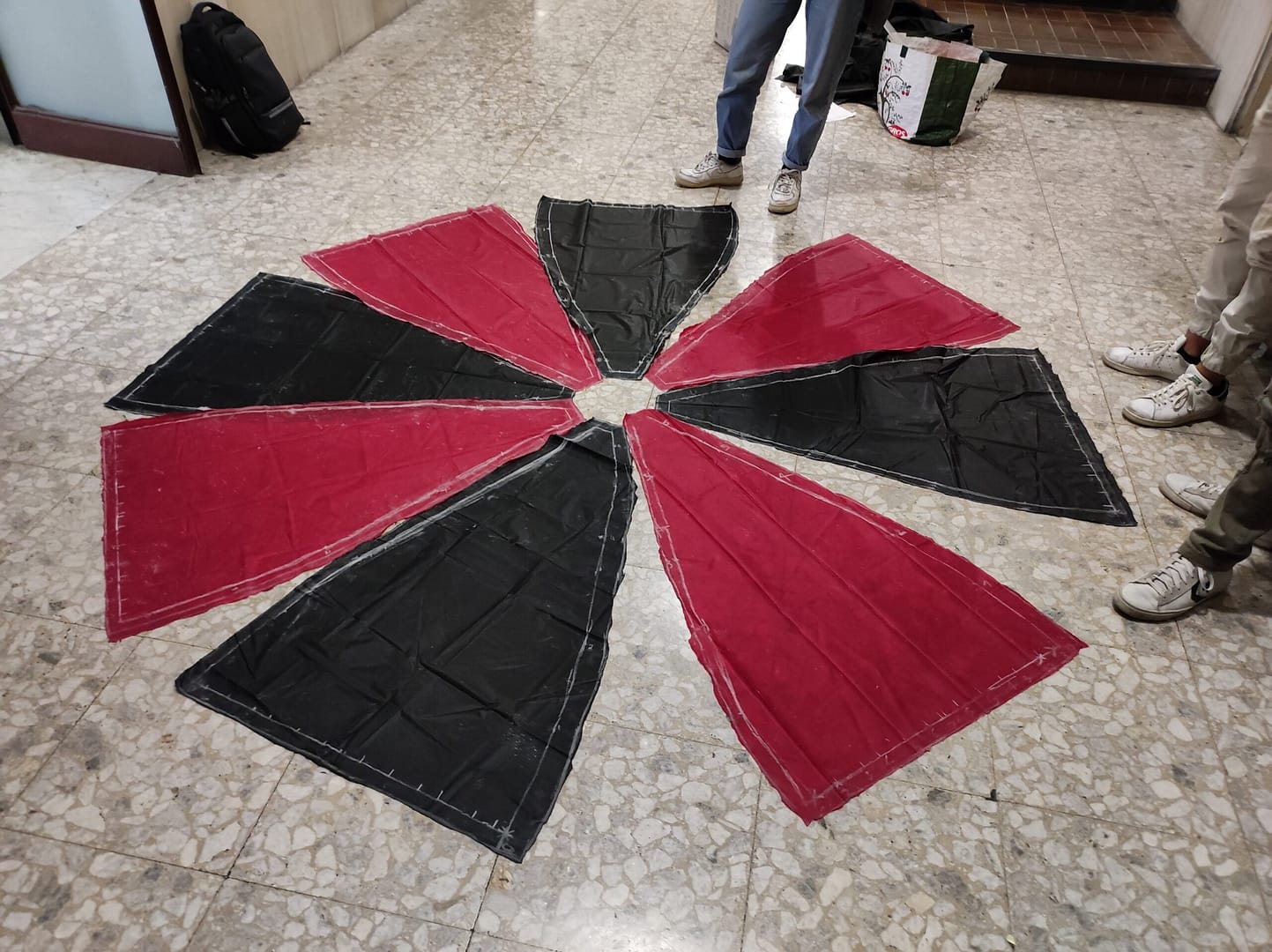
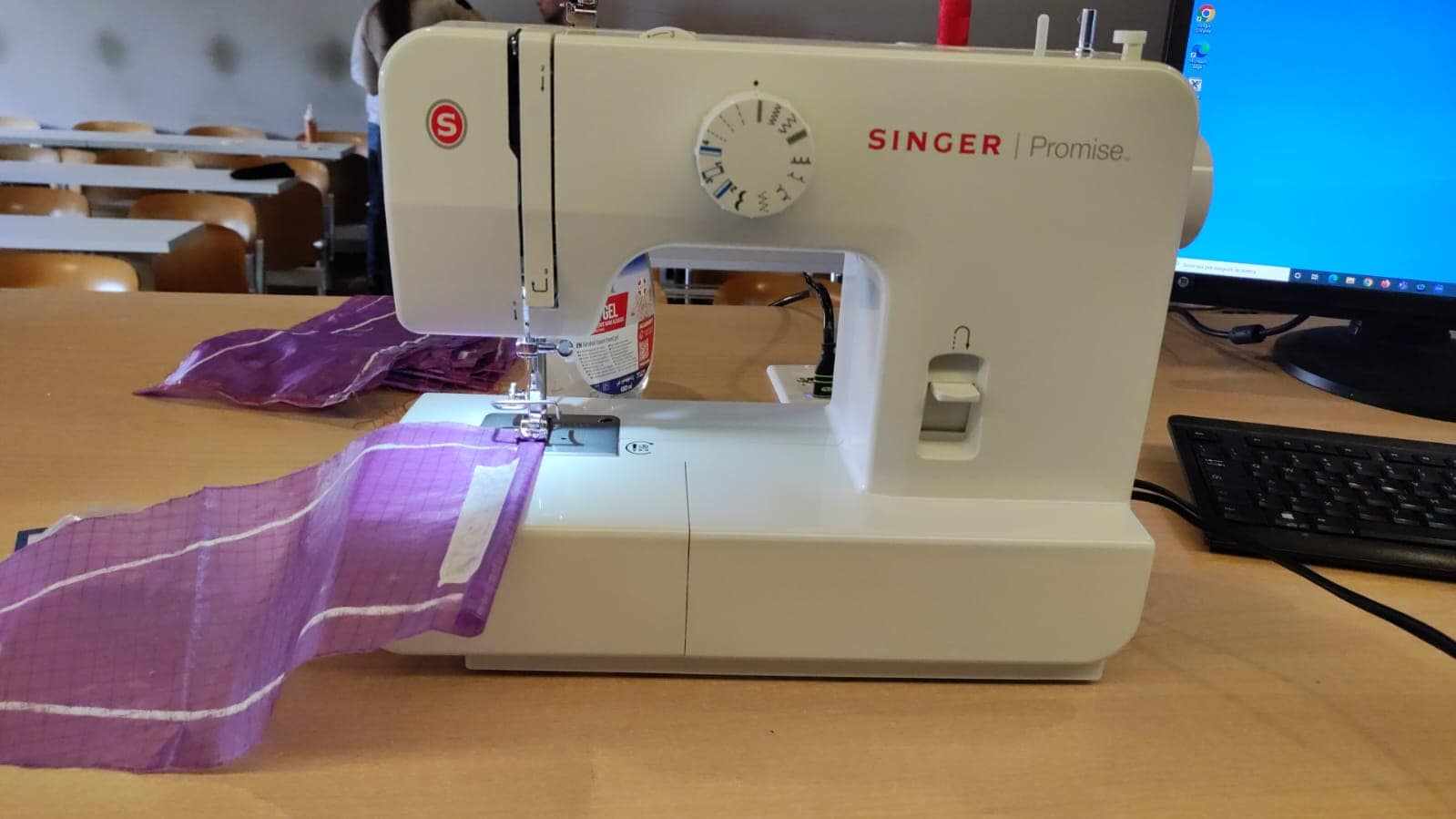
Production and manufacturing are entirely managed and carried out by our Team, using stitching techniques specifically designed for our safety and system reliability goals. This also allows us to build parachute prototypes to study and later implement.
REENTRY - TESTING
The Testing phase is a fundamental and crucial part of our work in the department. The tests are specifically designed by us to faithfully recreate the deployment scenario of the Recovery system. This is made possible through wind tunnel analysis, drop tests, and stress tests (on both the fabric and the connecting lines to the rocket).
WANT TO JOIN? THIS IS WHAT WE ARE LOOKING FOR:
REQUIRED SKILLS:
Basic knowledge of ejection and/or recovery systems.
Use of and familiarity with MATLAB.
Knowledge of CAD software.
Strong teamwork skills and proactivity.
Problem solving and creativity.
AVANCED SKILLS:
Knowledge of aerodynamics.
Previous experience in the field of parachutes.
Knowledge of basic sewing techniques.
Knowledge of FEM (Finite Element Method) and stress analysis.